For decades, the gap between southern Dallas and the northern suburbs was treated as a fixed feature of the map. Capital moved north. Retail followed rooftops that had already been financed somewhere else. The area below Interstate 30 held more land, a lower tax base, and a persistent discount applied by underwriters who had never walked it.
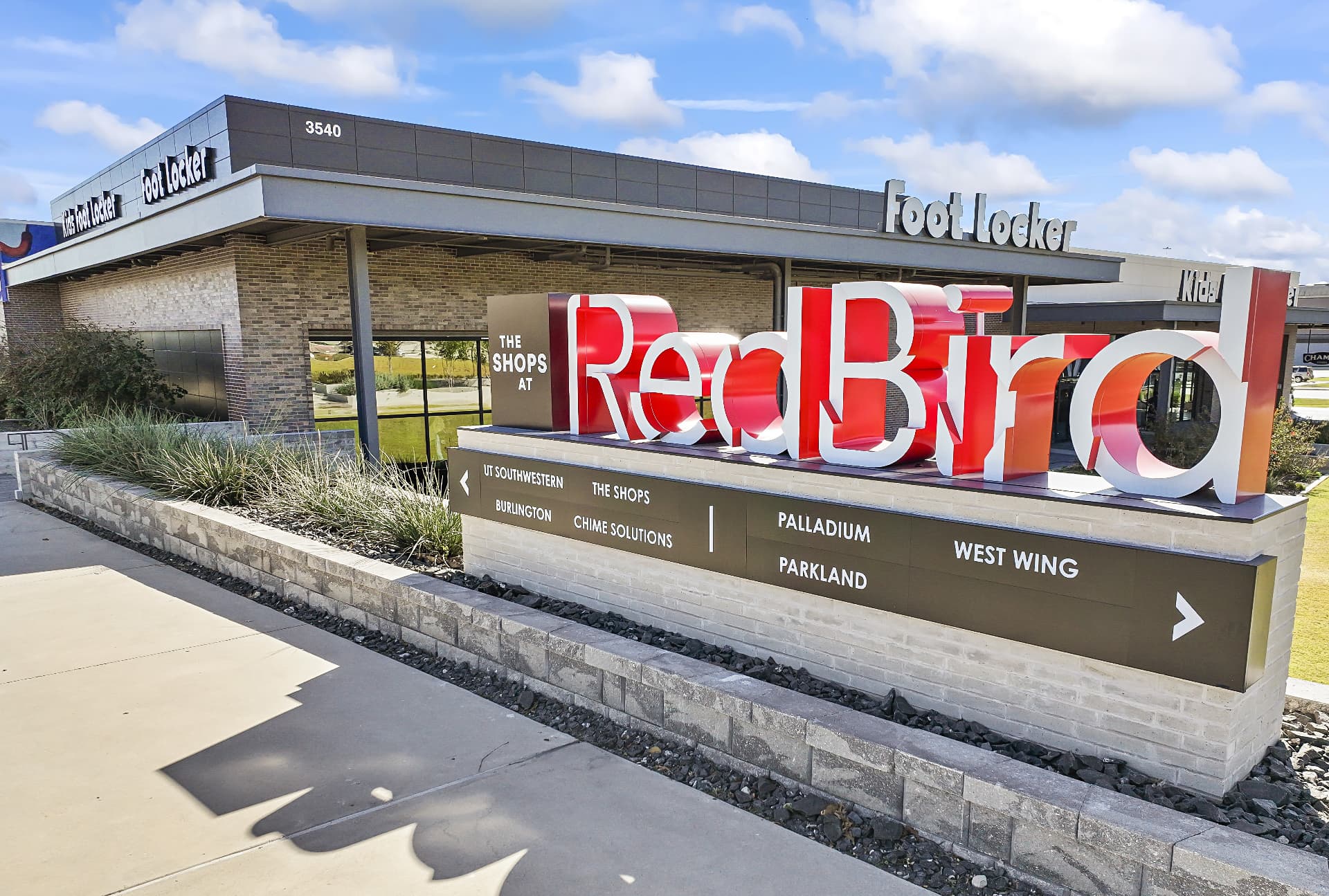
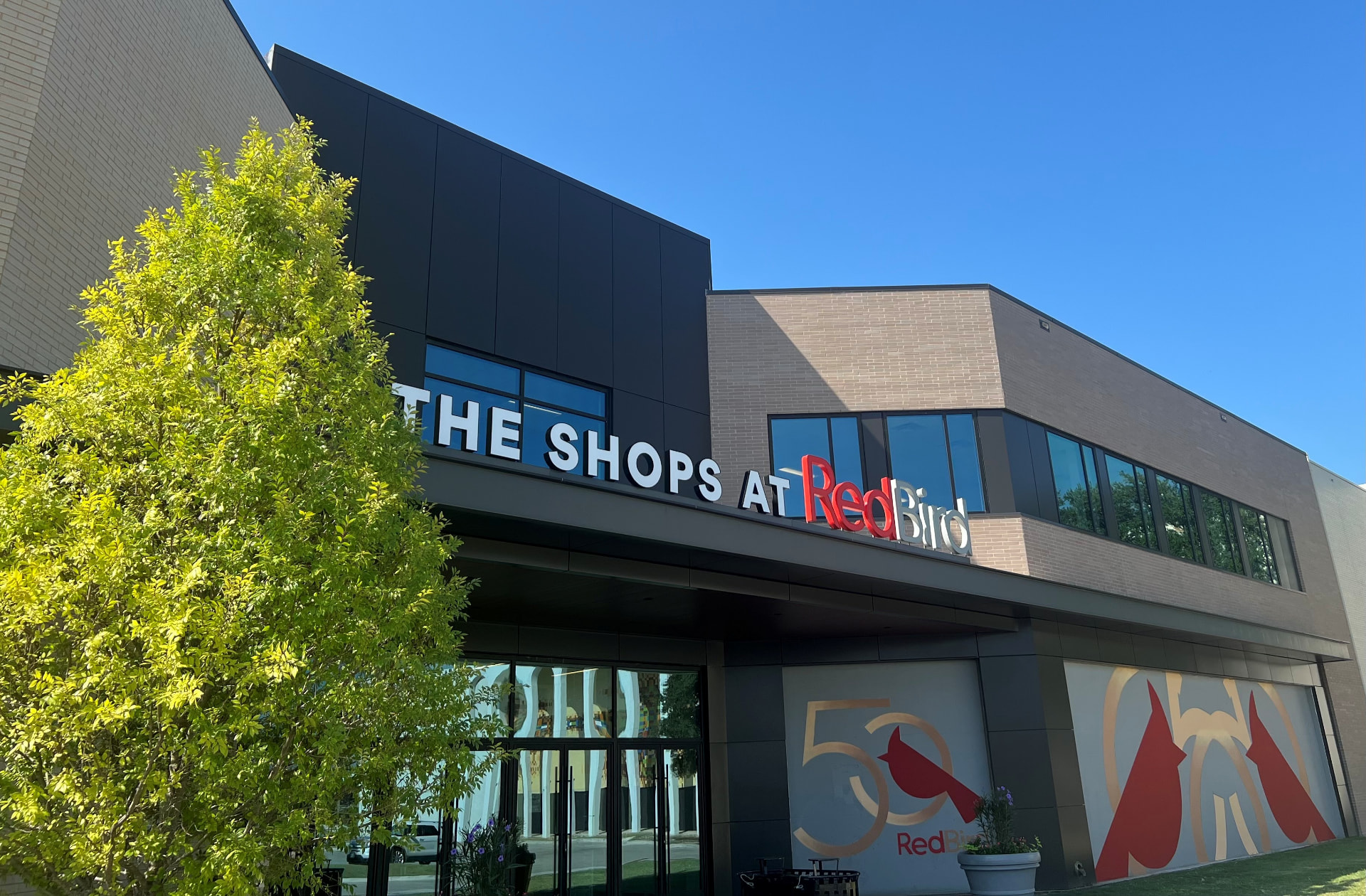
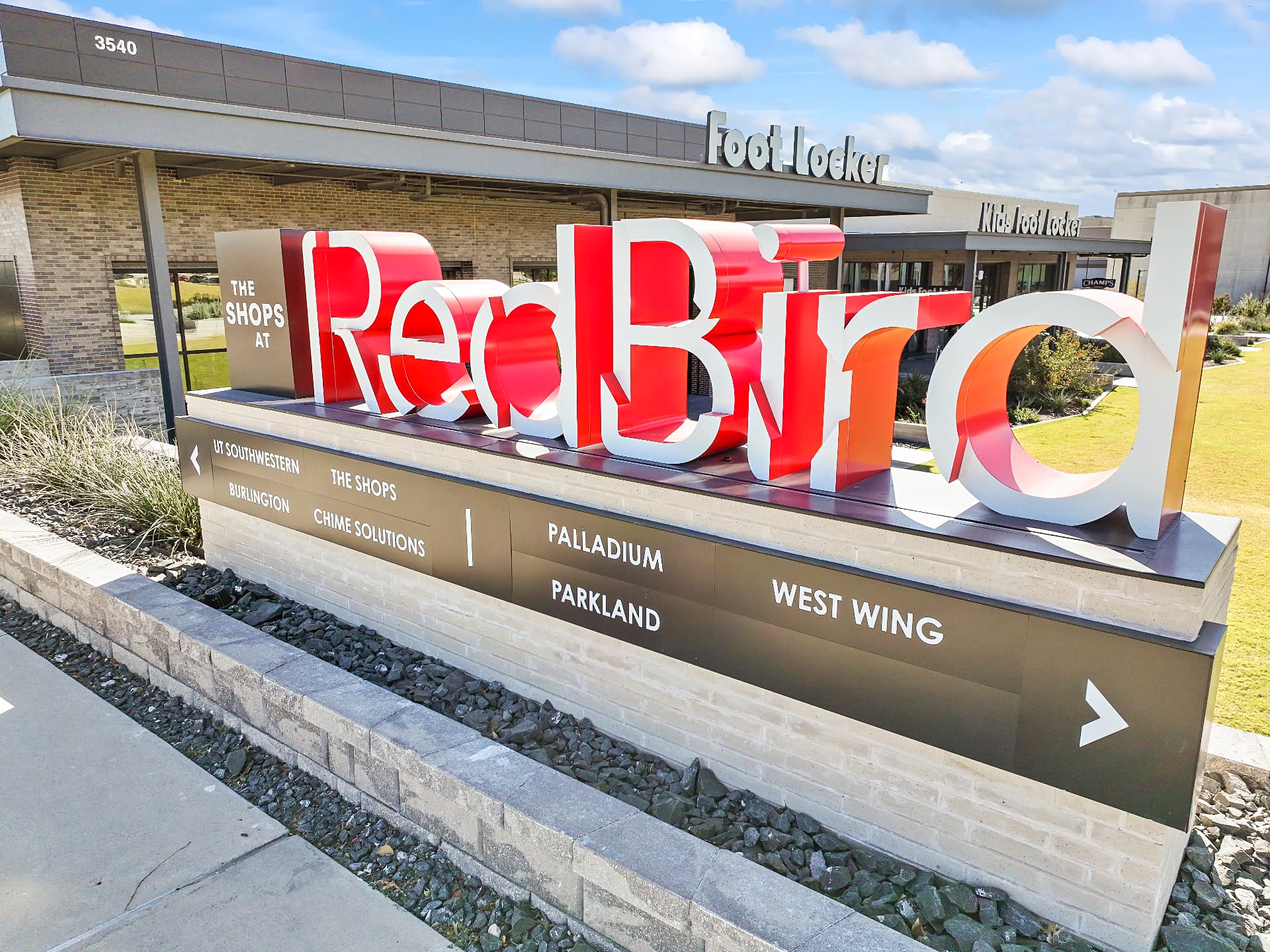
That discount is being repriced. The redevelopment of the 1M SF former RedBird Mall, acquired by investor Peter Brodsky in September 2015 and rebuilt as The Shops at RedBird, is now credited by Bisnow with attracting developers to a submarket few would have underwritten a decade ago. Dallas' economic development office reports involvement in more than 20 additional southern Dallas projects recently completed, underway, or in the pipeline.
“Southern Dallas is bigger than northern North Dallas and has a much lower population and a much lower tax base and a lot of empty land. With the right policies and the right investment, there's no reason that Southern Dallas couldn't become a real growth engine for the city.”
What actually changed
Not sentiment. Absorption. Since 2020 the submarket has added nearly 50M SF of industrial space, and multifamily units have grown by almost 59% since 2023, according to Colliers data cited in the same reporting. Retail and office lagged, which is precisely the gap a mixed-use redevelopment is built to close.
RedBird closed it by leading with uses that create daytime population rather than waiting for it. UT Southwestern and Parkland brought services to a community that was a medical desert until a few years ago. Dallas College brought a satellite campus. Those anchors changed the math for every subsequent tenant conversation.
The lesson for the next site
- Institutional anchors, health systems, colleges, public agencies, de-risk retail that would otherwise never pencil.
- Infrastructure first: streets, parking, landscaping, and walkability precede the tenants who benefit from them.
- One credible project resets comparable values for an entire submarket, which is why the second and third deals move faster than the first.
That is the pattern Russell Glen carries into every market it enters: buy the asset the market has written off, solve the problem underneath it, and let the reset in perception do work no marketing budget can.
- 'Growth Engine': RedBird Redevelopment Spurs Turnaround For Long-Overlooked Southern Dallas Bisnow Dallas-Fort Worth, June 11, 2025
Reported by third-party publications. Quotations appear as published; commentary and analysis are Russell Glen’s.