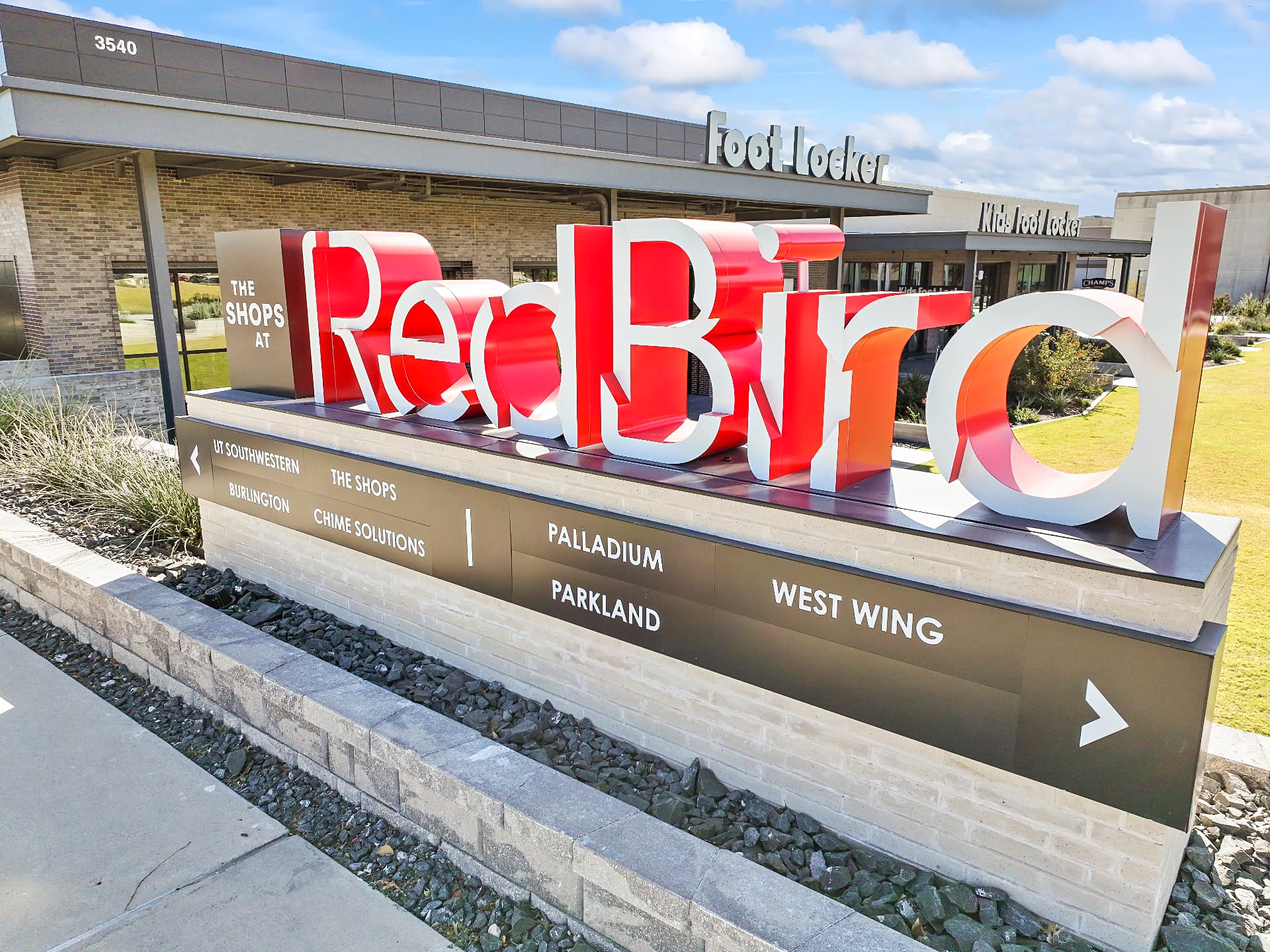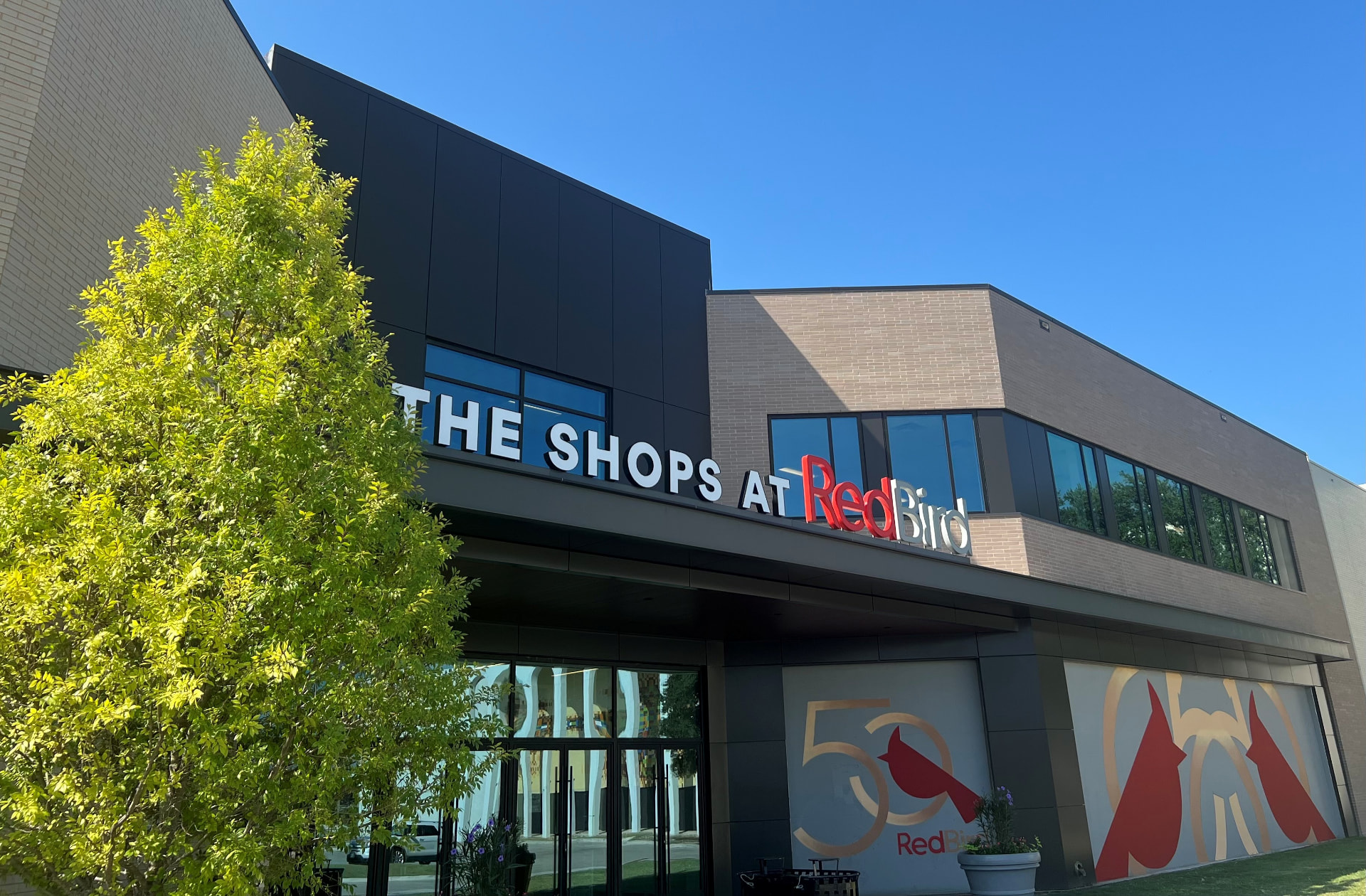
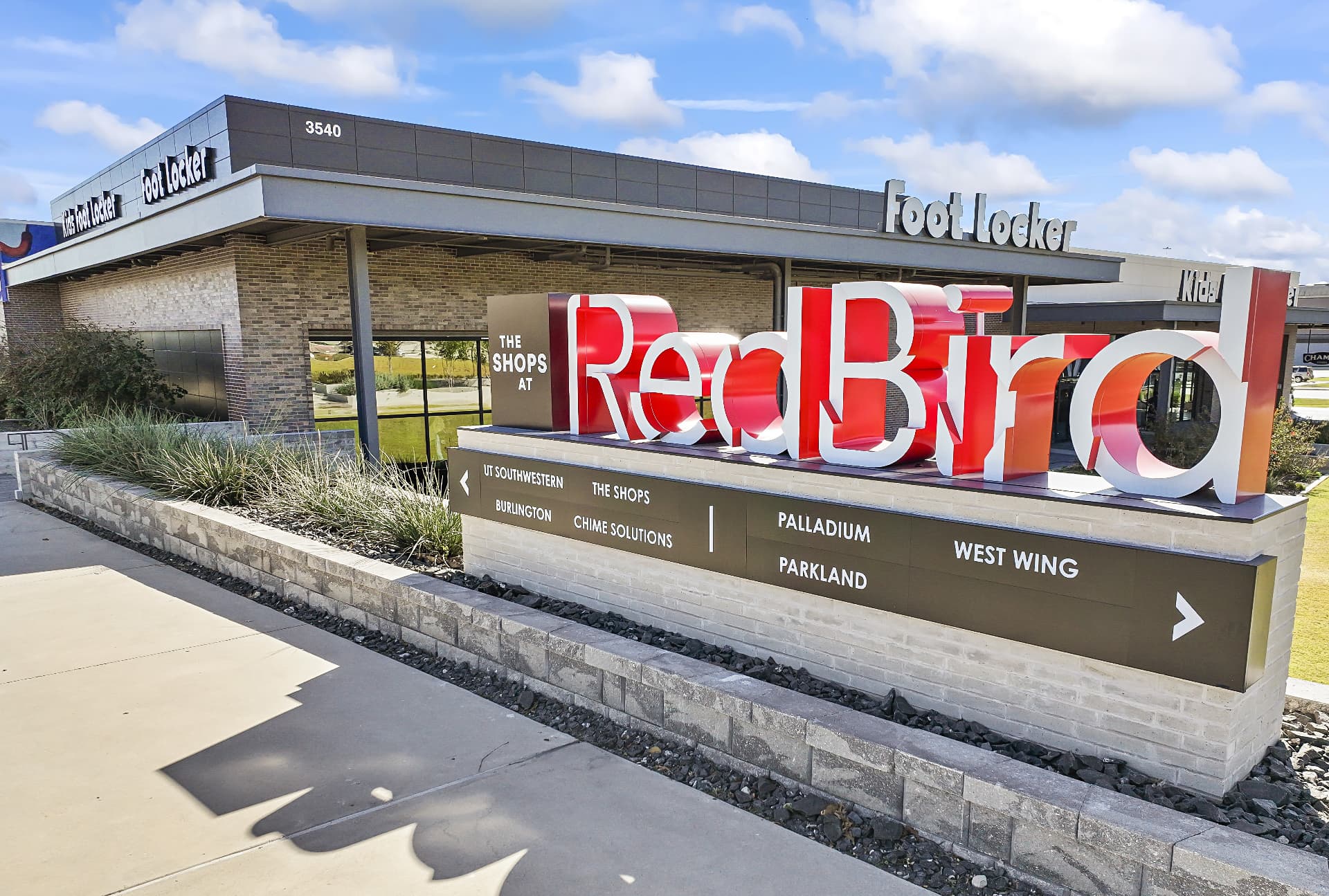
In August 2025, the community gathered on the lawn to mark fifty years since RedBird Mall opened its doors. Most malls that opened alongside it in 1975 are gone. This one is in the middle of becoming a work-live-play district, a fact NBC 5 framed as the reason the anniversary mattered at all.
Survival was not passive. The property absorbed the same forces that emptied enclosed malls nationwide: big-box dependence, a difficult transportation grid, the exodus of middle-class families to the suburbs, and a reputation problem that compounded each of the others.
“RedBird Mall was the place to be. It was a place where the community really gathered together. It was vibrant. It was fun. It was a mall that was widely recognized as the place where you wanted to hang out, especially if you were young and African American. It was our mall.”
Memory as underwriting input
Conventional models treat an obsolete mall as a land basis with demolition costs attached. That framing misses the strongest asset on the site: fifty years of accumulated habit. People still knew how to get there. They still described it in the first person plural.
The redevelopment plan protected that. Roughly a third of the original structure was demolished to open a promenade and a central lawn, while the remaining envelope was rebuilt around healthcare, education, apartments, entertainment, and food. The result reads as continuity, not replacement, which is why the fiftieth anniversary was a celebration rather than a eulogy.
What the anniversary signals to capital
Durability. An asset that has held community relevance across five decades and two full retail cycles is a different risk profile from a speculative pad in a growth corridor. Russell Glen underwrites for that durability deliberately: places that were solved rather than invented tend to hold their tenants when the cycle turns.
- Redbird shops mark 50 years with community celebration NBC 5 Dallas-Fort Worth, August 22, 2025
- RedBird Mall Co-Developer Is Ready To Bring His Vision To Other Languishing U.S. Malls Bisnow, September 17, 2020
Reported by third-party publications. Quotations appear as published; commentary and analysis are Russell Glen’s.