The Urban Land Institute's Public/Private Partnerships in Action forum featured the Southwest Center Mall redevelopment as a Texas case study, presented jointly by Russell Glen's CEO and the City of Dallas Office of Economic Development. The framing was deliberate: two principals explaining how one deal was structured, what each side needed, and how risk was allocated.
What public capital actually bought
The $22M City of Dallas incentive grant approved in 2018 did not underwrite profit. It funded the infrastructure layer, streets, parking, landscaping, walkability, that no private lender will finance ahead of tenants, and that no tenant will commit to before it exists. That circular dependency is the reason obsolete regional malls sit vacant for a decade at a time.
The public gets a return
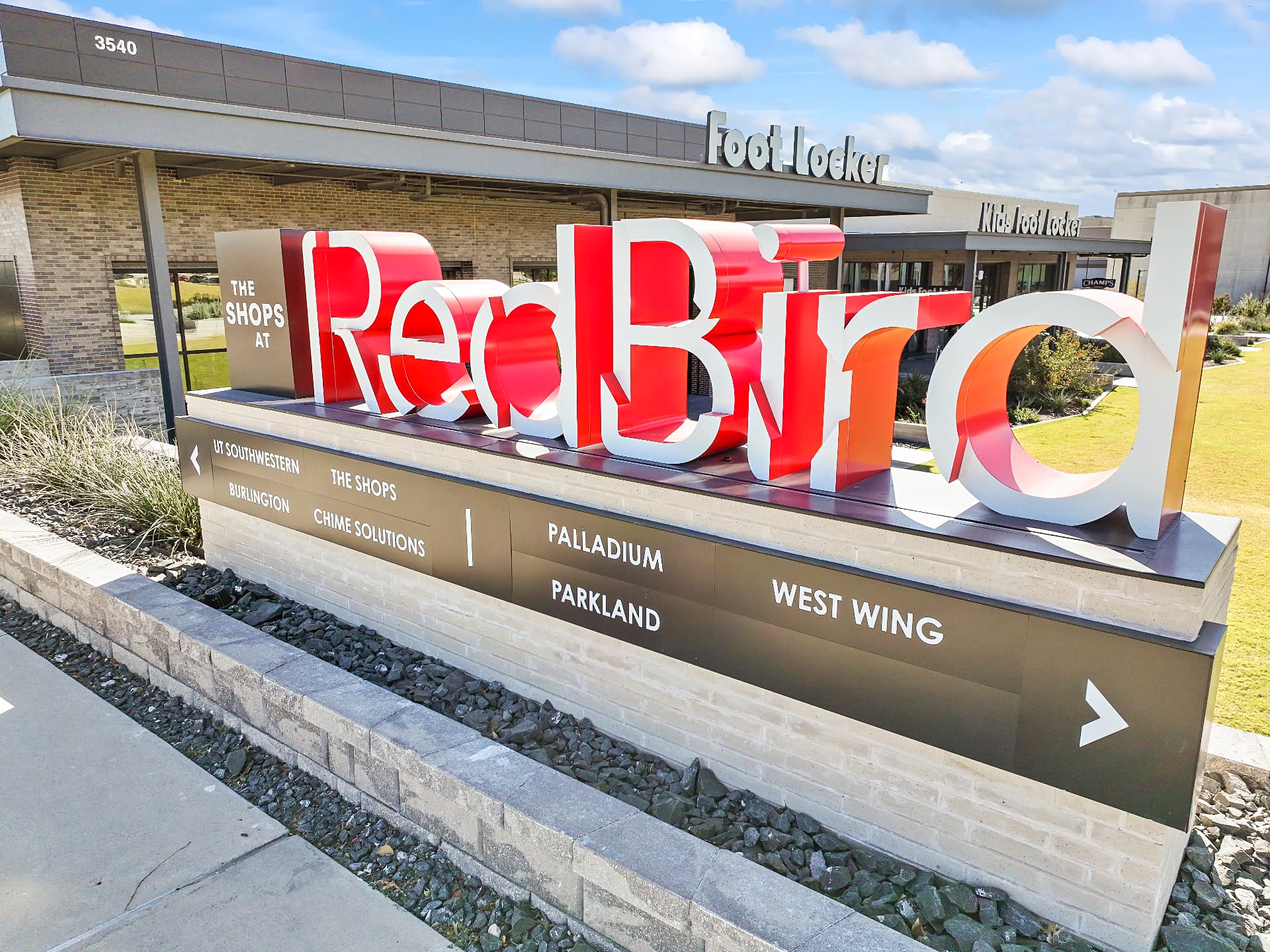
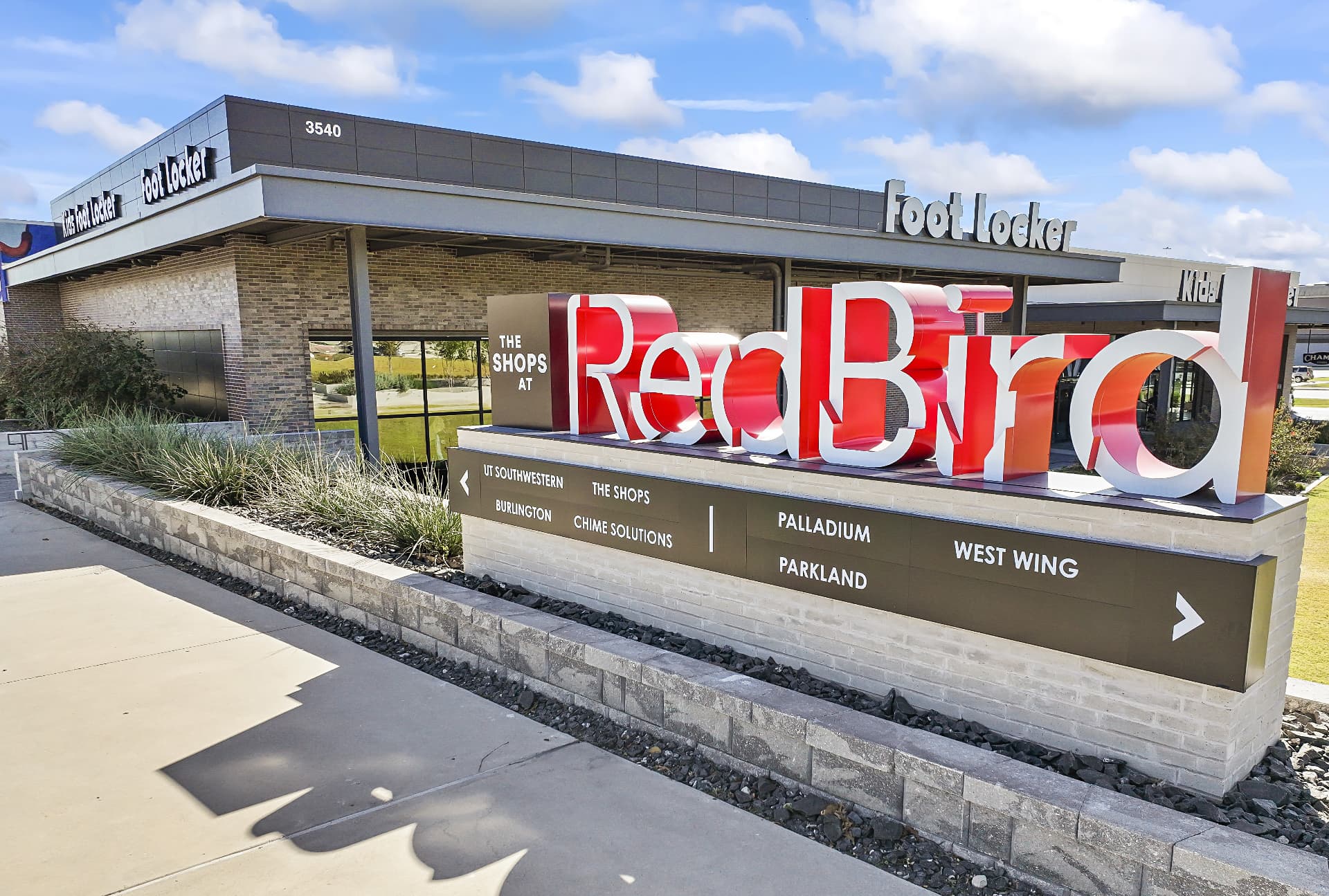
- A medical hub where the trade area previously had none, with UT Southwestern and Parkland services on site.
- A Dallas College satellite campus placing higher education inside the neighborhood it serves.
- More than 3,000 projected jobs on a single campus.
- A restored tax base on 100+ acres that had been declining for thirty years.
Structured this way, a partnership is not a transfer. It is a co-investment in outcomes both parties can name in advance and measure afterward, which is exactly what an institutional capital partner should demand before committing to a complex urban redevelopment.
It is also repeatable. Every Russell Glen redevelopment now begins with the same question: what does the public sector need from this site that private capital alone cannot deliver, and what will it participate to make possible?
- Public/Private Partnerships in Action Forum ULI Americas
- From Old Mall to 100-Acre Live-Work-Play Community: Terrence Maiden Lifts Up an Overlooked Community ICSC, July 17, 2020
Reported by third-party publications. Quotations appear as published; commentary and analysis are Russell Glen’s.